
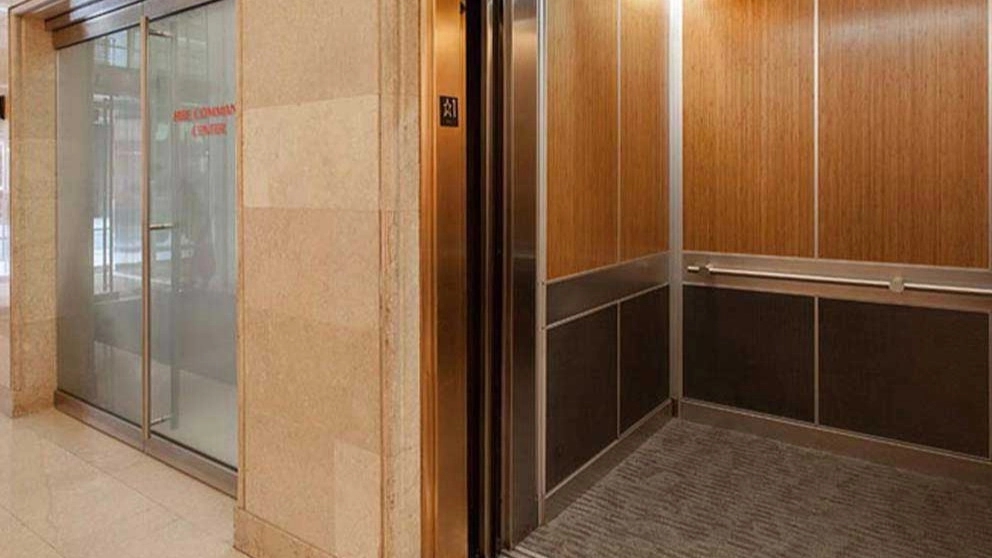
There are various standards and regulations for the selection of elevator cabin materials, which may vary depending on the geographic area and local laws. Below are some elevator cabin standards for material selection:
2. National and International Standards:
In every country, there are standards and regulations that determine the specifications and documentation necessary for the construction and installation of elevators. Some of the most famous international standards include EN 81 (European standards) and ASME A17.1/CSA B44 (American and Canadian standards). The standards may include requirements about the materials used in the elevator cabin, structural strength, rust resistance, fire characteristics, etc.
️ ️ Safety standards:
Safety standards play a very important role in the selection of elevator cabin materials. These standards include things such as structural strength, resistance to impacts and shocks, fire resistance, anti-rust and anti-wear properties, etc.
️ ️ ️ Access Standards:
There are some standards and regulations related to the accessibility and use of elevators for people with disabilities. These standards may require the use of special materials and methods to enable people with special needs to use the elevator comfortably and safely.
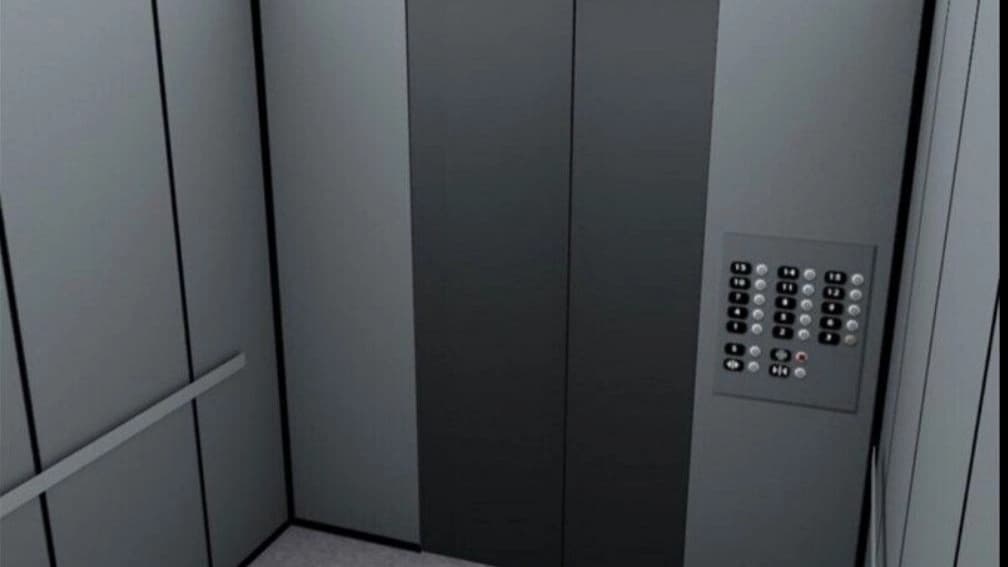
️ ️ Local Regulations:
Each country and region may have its own local laws and regulations for the design, construction and installation of elevators. These rules may include things like the use of specific materials, required testing and certifications, fire restrictions, compliance with earthquake laws, etc.